19/02/2026


Mexico is preparing for 2026 with two “tournaments” that will directly impact economic activity: the 2026 FIFA World Cup, kicking off in Mexico on June 11, 2026 (with the United States and Canada as co-hosts).
At the same time, the first formal review of the USMCA is scheduled for July 1, 2026, stemming from the six-year review clause agreed upon when the agreement was signed.
This convergence is significant. While the World Cup places North America under the global spotlight, the USMCA review will define the tone of the trade dialogue that underpins nearshoring, productive investment, and, consequently, Mexico’s industrial sector.
USMCA Review Poses No Obstacle to Mexico’s Industrial Real Estate Growth
The USMCA largely establishes the foundation for North America’s productive integration, making decisions regarding location, logistics, and industrial capacity in Mexico highly strategic.
According to Valeria Moy, Managing Director of IMCO, the treaty review is taking place in a complex environment, with potential protectionist pressures from the United States.
Even under this scenario, the sector’s outlook remains strong.
AMPIP projects that in 2026 Mexico’s industrial real estate market will grow by 36.6% annually, reaching an investment volume of USD 5.831 billion, even amid structural challenges such as electricity supply.
Of the total estimated investment for 2026, it is expected that:
- 66.1% will be allocated to the development of new industrial parks and the construction of buildings within industrial complexes
- 19.3% will be invested in the modernization of existing park
- 5% will go to standalone industrial buildings
These indicators confirm that, beyond the USMCA review, regional integration continues to be a key catalyst driving demand for industrial infrastructure in Mexico.
The 2026 World Cup: An Accelerator for Infrastructure, Logistics, and Consumption
If the USMCA is the structural engine, the World Cup acts as a short- and mid-term turbocharger—putting pressure on logistics operations, increasing demand for services, and accelerating infrastructure execution and interinstitutional coordination.
From an operational standpoint, the World Cup typically generates demand spikes within specific “peak periods” (match days, weekends, brand activations), rewarding companies that already have strategically located logistics capacity and contracts in place.
Economic Impact of the World Cup and Strategic Regions for Mexico’s Industrial Sector
According to estimates by Banamex, World Cup activities hosted in Mexico could contribute an additional 0.1 percentage points to national GDP, raising projected growth from 1.5% to 1.6%.
In addition, the tournament is expected to generate an economic spillover of MXN 36.487 billion (nominal) driven by international tourist arrivals.
The impact will vary by host city:
- Mexico City: +0.4 percentage points to local GDP, with projected growth of 2.4% in 2026, driven by the hosting of five matches
- Jalisco: +0.3 percentage points
- Nuevo León: +0.2 percentage points
While these effects are concentrated in tourism and services, the indirect impact on the industrial sector is significant due to logistics requirements related to events, brand activations, and supply chain operations.
Higher Consumption Means Greater Logistics Pressure
According to a Worldpanel by Numerator study, reported by El Economista, the World Cup reshapes purchasing behavior and increases household spending:
- 38% of Mexican households are considered “passionate” soccer fans and account for 41% of total fast-moving consumer goods (FMCG) spending
- These households spend 11% more annually than the average; during the tournament, their average ticket increases by up to 15%
- Even “occasional” or “less engaged” households increase their spending by 4% to 8%
For the logistics sector, this translates into higher inventory turnover, distribution pressure, and the need for additional installed capacity.
From a structural standpoint, these dynamic drives demand for:
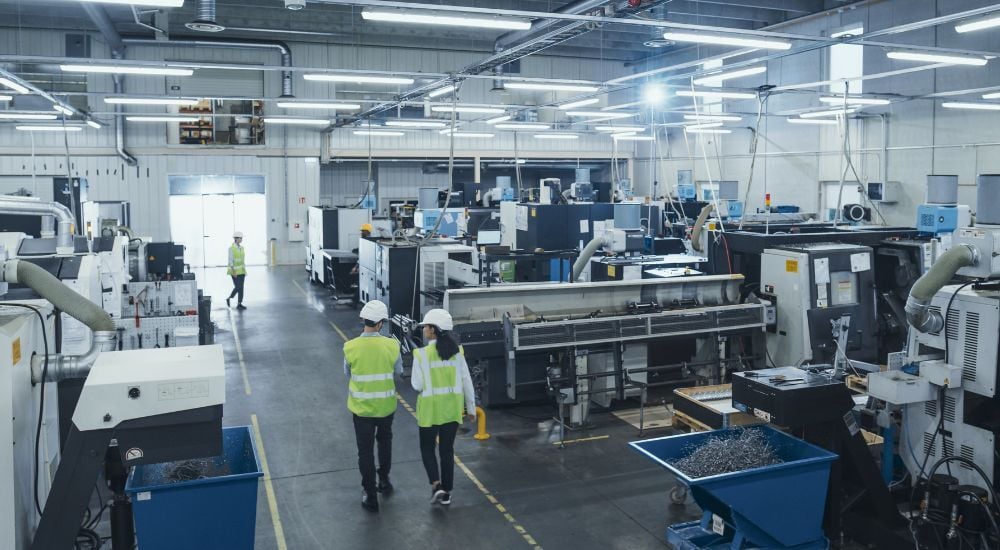
- Manufacturing industrial buildings linked to automotive suppliers, electronics, metal-mechanics, and device production
- Logistics industrial buildings, for warehousing, cross-docking, and fulfillment operations
- Supporting infrastructure, including transportation networks, customs operations, and specialized services
Which Regions Are Becoming More Strategic for Industrial Operations in Mexico?
The convergence of the USMCA review and the 2026 FIFA World Cup marks a turning point for industrial real estate decision-making in Mexico.
While the USMCA defines legal certainty and North America’s productive integration, the World Cup acts as an accelerator of consumption, logistics, and infrastructure investment.
Together, they create a strategic window for positioning operations in high growth areas:
- Mexico currently has 477 industrial parks
- As of year-end 2025, the Central region—integrating markets such as the State of Mexico, Puebla, Hidalgo, and Mexico City—accounted for 30% of net absorption
- Mexico City represented 91% of regional absorption
- Meanwhile, the Northeast region reached an inventory of 34 million m², the highest in the country, and accounted for 33% of national gross absorption
Innovative Infrastructure to Strengthen Your Operations
According to Datoz, market momentum has been led by build-to-suit (BTS) projects, with companies such as Purina, Nadro, and Mercado Libre demanding spaces of up to 100,000 m², reflecting the growing scale and sophistication of Mexico’s industrial market.
In addition, the industrial buildings for lease in strategic locations such as Hidalgo and the State of Mexico has become a key decision for companies seeking to operate within highly connected logistics corridors and drive growth:
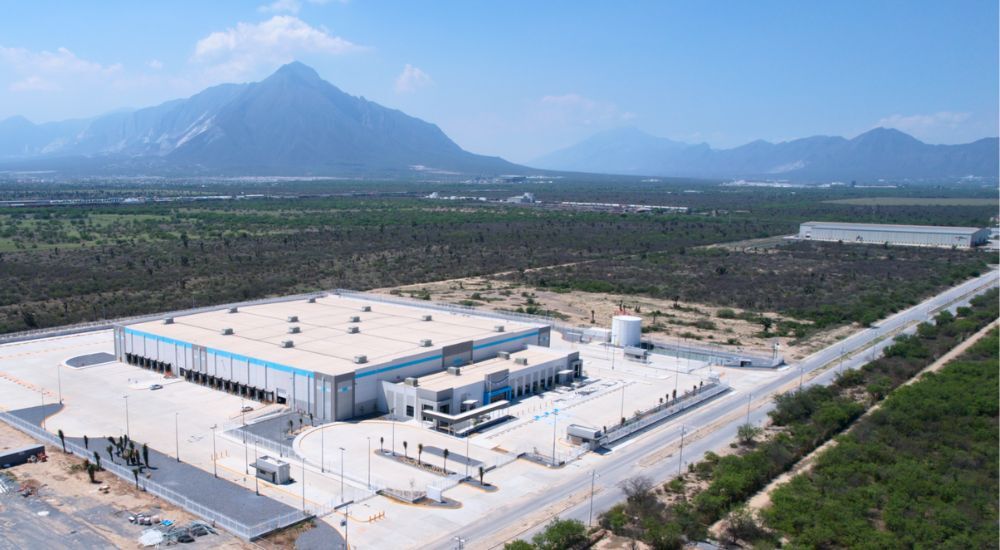
- PLATAH Industrial Park in Hidalgo: The PLATAH SPEC-1 building is designed to meet growing demand within a strategic window marked by strong logistics and manufacturing activity.
- Arco 57 Industrial Park in the State of Mexico: Arco 57-SPEC 1 is located in one of the most important logistics corridors in central Mexico, offering connectivity and access to major consumer markets.
The 2026 World Cup and the USMCA review represent not only challenges, but also an opportunity to capitalize on a new cycle of industrial growth.
Both Frontier Industrial locations are ideal for companies looking to expand, relocate operations, or strengthen their logistics capabilities, ensuring installed capacity amid ongoing reconfigurations.
If your company is evaluating new operations, Frontier can help you find the ideal location. Contact us to explore our industrial buildings for lease in Mexico.

-1.jpg)