23/07/2026


For years, choosing industrial parks to set up operations came down mainly to space costs, tax incentives, or proximity to the border.
Today, companies evaluate the location of their industrial operations as a set of variables that carry weight at the same time, and skilled talent has become just as decisive as resource availability or logistics connectivity.
Infrastructure, Connectivity, and Talent Now Carry Equal Weight
According to the 2026 Industrial Parks in Mexico report by AMPIP, the country holds concrete competitive advantages for attracting investment, including its geographic location, its infrastructure, and its workforce.
These are distinct advantages that shape where an investment lands, with several conditions that need to align at the same time:
- Sufficient infrastructure with room to expand
- Logistics connectivity to strategic corridors
- Availability of technical and operational talent
- Regulatory and security certainty
When one of these variables falls short, the others lose value. A building with an excellent location but no talent nearby runs into the same problem as one with insufficient power supply.
Infrastructure Is the Foundation of Operations
According to AMPIP, 477 industrial parks are operating in Mexico in 2026, and all of them share the same core needs — access to natural resources, connectivity, and talent.
On the resource side, operating parks are estimated to require an installed capacity of 17,708 megawatts, and the 103 new parks projected under Plan México will need an additional 3,455 megawatts between 2026 and 2029.
While some Class A industrial spaces already cover these needs through self-supply schemes, the real challenge lies in generating greater business value. That happens when operators can put that installed infrastructure to work, backed by technical talent that plans for the business's growth over time.
Explore Frontier's Industrial Parks in Mexico and their Class A infrastructure, located within the country's most important corridors.
Talent Is What Puts Growth Into Motion
Mexico's industrial parks already generate more than 3.7 million jobs, and Plan México aims to add 1.5 million more jobs in specialized manufacturing over the coming years.
That scale changes the question companies are asking. It's no longer just how many people are available, but how well that workforce aligns with technical processes, certifications, and advanced manufacturing standards.
Hidalgo, a Corridor That Combines Infrastructure, Connectivity, and Technical Talent
Hidalgo has established itself as part of the Mexico City–Querétaro corridor, one of the areas with the highest concentration of technical training in central Mexico.
The Autonomous University of the State of Hidalgo graduates around 2,800 engineers a year, and together with centers like CIATEQ in Ciudad Sahagún, it sustains programs focused on advanced manufacturing, automation, and sectors such as automotive and rail.
This technical foundation, combined with Plan México's progress in coordinating government and private industry to develop industrial infrastructure, sets Hidalgo apart from a simple logistics corridor.
PLATAH-SPEC1, Class A Infrastructure With Talent Close By
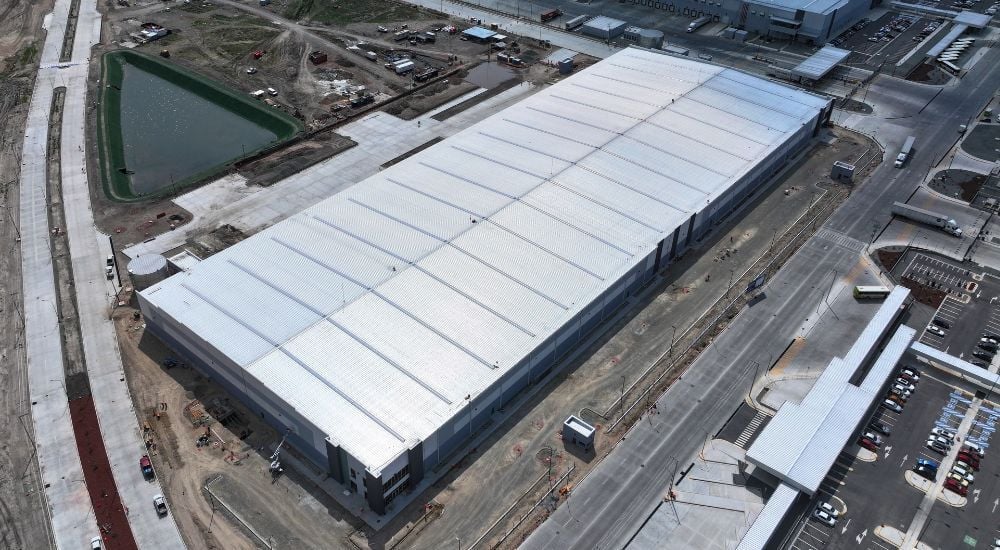
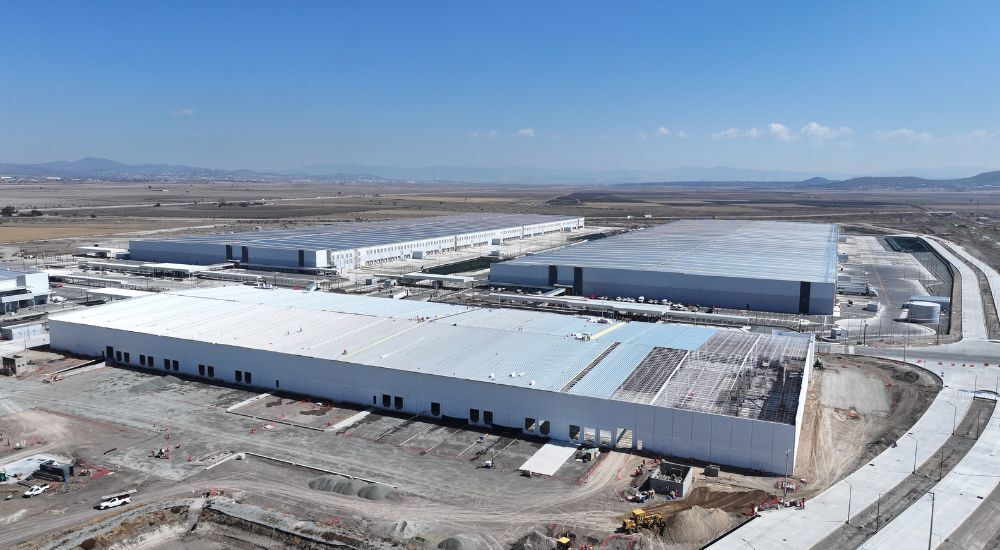
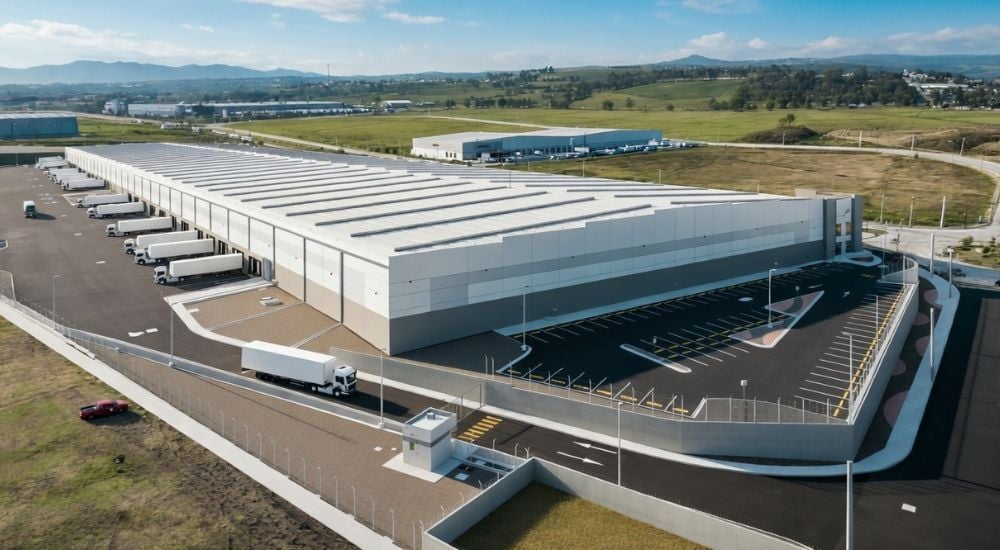
The PLATAH-SPEC1 industrial building in Hidalgo is designed for companies looking to establish operations in the region, with strategic connectivity and skilled talent as its main advantages.
It's a Class A building, ready for immediate use under a Plug & Play scheme, with direct access to the country's major highways and to skilled labor.
In other words, it's a location built for companies that no longer evaluate square footage alone, but the ability to operate with talent close by from day one.
At Frontier Industrial, we develop industrial parks in Mexico with that reality in mind.
Contact us to learn all the details about PLATAH-SPEC1, its Class A infrastructure, and access to skilled regional talent.

You may also be interested in reading more about how to evaluate an industrial location beyond labor costs.